How to Master Proxy Subnet Diversity for Better Security

Technological Requirements for High-Thread Efficiency in 2026
Modern automated link building needs hardware that can keep speed with significantly complicated site security and heavier software footprints. By 2026, the standard for a Virtual Private Server (VPS) intended for GSA Browse Engine Ranker (SER) has shifted considerably away from the budget plan configurations seen in previous years. High thread counts now need more than just raw CPU frequency. They require efficient instruction sets and high-speed data courses to prevent traffic jams during extensive submission cycles.
Processor architecture remains the most vital aspect for success. While older server chips counted on high clock speeds to press through jobs, modern-day 2026-era EPYC and Xeon processors concentrate on thread density and cache management. GSA SER performs countless small, recurring tasks simultaneously. These jobs include DNS lookups, HTML parsing, and socket connections. Each of these operations take advantage of a processor that can manage enormous parallelization without succumbing to thermal throttling or guideline queues. Using a VPS with dedicated vCPUs rather than shared resources makes sure that the software application has consistent access to the processing power it needs for Asia Virtual Solutions during peak hours.
Memory capacity and speed have actually also taken a front seat in hardware optimization. In 2026, DDR5-6400 memory is the standard for high-end VPS nodes. The increased bandwidth of DDR5 enables GSA SER to move information between the CPU and RAM with lower latency. This is especially noticeable when the software application is managing a huge site list with countless entries. If the RAM is too slow or the capacity is too low, the system will depend on swap files on the disk, which slows down the entire operation. A minimum of 32GB of RAM is now advised for those running 500 or more threads, specifically when incorporated with heavy CAPTCHA fixing tools and content generators.
Advanced Storage Solutions and Data Throughput in the global market
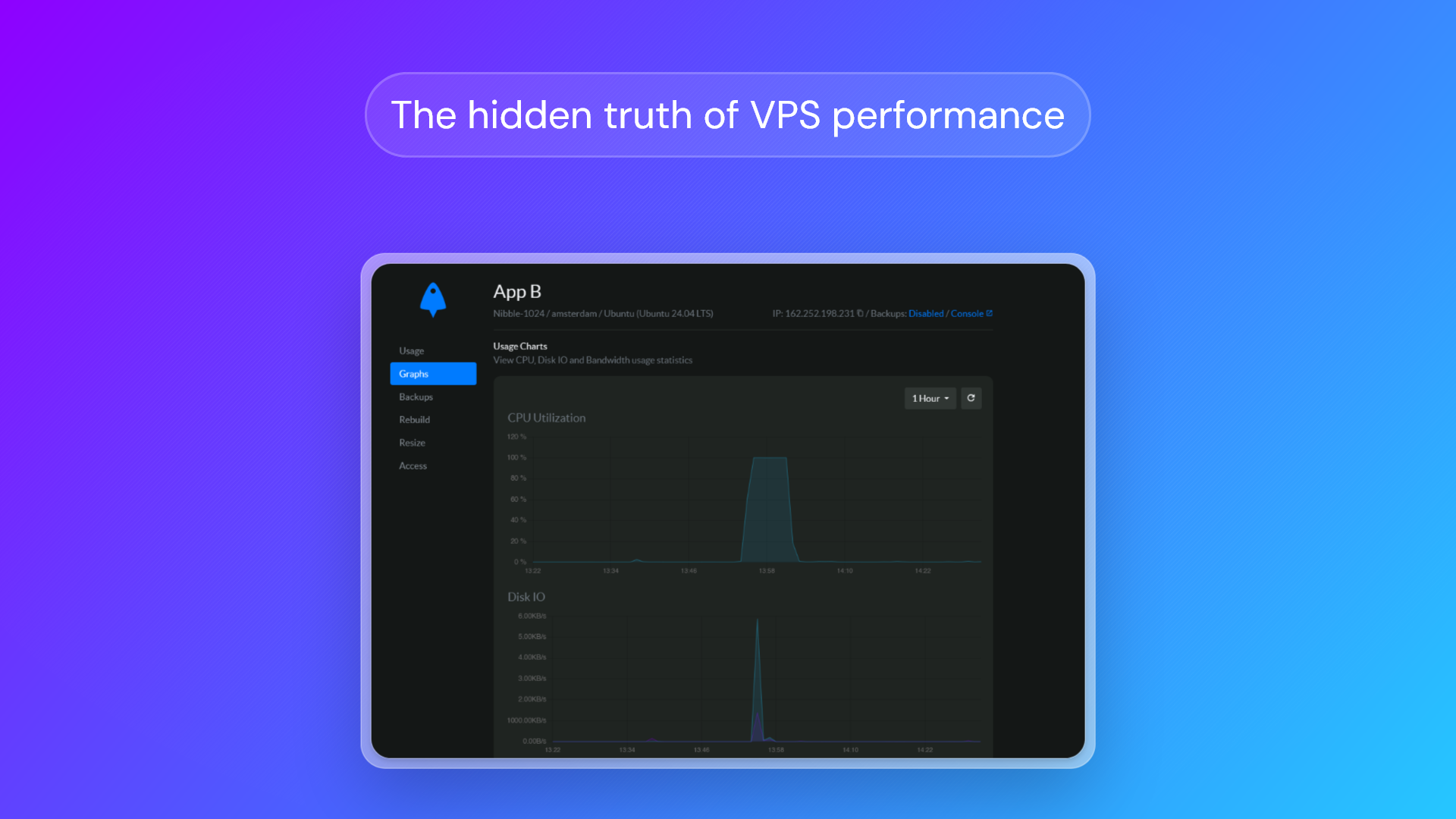
Storage innovation has actually moved far beyond the fundamental SSDs of the past. For a GSA SER setup in 2026, NVMe Gen5 or Gen6 drives are required to handle the high IOPS (Input/Output Operations Per Second) produced by constant database writes. GSA SER frequently updates its internal database, logs successful submissions, and tracks confirmed links. These operations occur in the background and can rapidly overwhelm a standard SATA or early-generation NVMe drive. High-speed storage guarantees that the software does not hang while awaiting the disk to finish a write operation.
Disk endurance is another aspect typically ignored. Continuous writing and rewording of log files and website lists can wear low-grade flash memory. Professional-grade VPS companies in the digital sector now use drives with greater Drive Composes Daily (DWPD) rankings. This makes sure that the technical facilities remains stable over months of continuous operation. When configuring a VPS, it is smart to partition the drive so that the os and the software reside on the fastest offered sectors, while larger, less-frequently accessed backups rest on secondary storage.
Handling big website lists needs effective file handling. In 2026, numerous users have actually transitioned to utilizing database-driven website lists rather than flat text files. This transition minimizes the stress on the file system however increases the demand for random 4K read speeds. A VPS optimized for Asia Virtual Solutions will generally feature a storage selection that can sustain high speeds even when the disk is nearly full. This avoids the "downturn" result that takes place when the software application tries to explore millions of prospective targets.
Network Latency and Proxy Combination for automated marketing
Connection is the lifeblood of any automatic submission tool. In 2026, a 1Gbps uplink is frequently the bottleneck instead of the standard. Numerous high-performance VPS setups now provide 10Gbps or perhaps 25Gbps network interfaces to manage the sheer volume of synchronised connections. GSA SER might open countless sockets simultaneously, each needing a tiny quantity of bandwidth but requiring ideal stability. Any package loss at the network level translates directly into failed submissions and lost resources.
Proxy efficiency is connected carefully to the VPS network stack. If the VPS has a high latency to the proxy company, the software will spend many of its time waiting for a response instead of sending content. Testing the ping in between the VPS location and the proxy endpoints is a required step in the setup process. Lots of experts now prefer VPS nodes located in major data centers in central connectivity hubs to guarantee they are as near to the internet backbone as possible. This proximity minimizes the "time to very first byte" (TTFB), permitting GSA SER to identify successful targets and proceed to the next one faster.
Internal network settings within the Windows environment ought to also be tuned. Increasing the optimum number of concurrent TCP connections and lowering the time the system waits to close a socket can maximize resources for brand-new threads. By 2026, a number of these settings are handled by automated scripts, however manual confirmation stays a best practice. A clean network course guarantees that the software application can maintain its target submission rate without being throttled by the os's default networking limits.
Operating System Refinement and Resource Preservation
Running a complete variation of Windows Server 2025 or 2026 can be resource-heavy. For GSA SER, the goal is to direct every available CPU cycle towards the software application, not the operating system's background procedures. Utilizing a "Core" variation of Windows or a greatly debloated setup can conserve considerable amounts of RAM and CPU overhead. Disabling visual impacts, Windows Update during work hours, and unnecessary telemetry services are standard however effective actions. In 2026, server administrators often utilize specialized scripts to strip Windows to its bare basics, leaving just what is required for networking and software execution.
Security software application can also be a concealed resource hog. While it is essential to keep the VPS safe, basic anti-virus programs frequently scan every file that GSA SER touches. Offered that the software application touches thousands of files per minute, this can lead to enormous CPU spikes. Creating exclusions for the GSA SER folder and its momentary files is a common method to reclaim processing power. Furthermore, utilizing a hardware-based firewall program at the VPS service provider level instead of a software-based one on the device itself can offload network filtering jobs from the primary CPU.
Virtualization overhead is another factor to consider. KVM (Kernel-based Virtual Maker) virtualization has become the preferred requirement in 2026 because it uses much better resource seclusion than older innovations like OpenVZ. With KVM, the resources designated to the VPS are much closer to devoted hardware. This prevents other users on the same physical server from "taking" CPU cycles, which is a common reason for unpredictable performance in more affordable hosting environments. Choosing a supplier that guarantees no over-allocation of resources is important for keeping a steady submission flow.
Fine-Tuning GSA SER Settings for the Modern VPS
Software application settings must match the underlying hardware. One common mistake is setting the thread count too high for the readily available CPU and RAM. In 2026, the software's internal engine is more efficient, but it still requires breathing room. A great general rule is to keep track of the CPU use and go for a stable 70% to 80% load. Pressing it to 100% often causes decreasing returns, as the processor invests more time switching in between jobs than actually completing them. Adjusting the "Time Out" settings is likewise essential; if the network is quick, much shorter timeouts can result in higher general submissions by quickly disposing of unresponsive websites.
Making use of external CAPTCHA solvers and content generators ought to be handled with care. Much of these tools now run as different processes or even on different VPS nodes. By offloading the heavy lifting of AI-based image acknowledgment to a different machine, the primary GSA SER VPS can focus totally on link placement. This distributed technique is a trademark of top-level operations in 2026. It enables for a modular setup where each part of the procedure is optimized for its particular task, whether that is scraping, resolving, or submitting.
Routine maintenance of the VPS environment guarantees long-term performance. This includes cleaning out old log files, condensing databases, and rebooting the software regularly to clear any memory leaks that may have accumulated. Even the most well-optimized system can break down in time if left unmanaged. Automated tasks can be established to manage these tasks during low-traffic periods, guaranteeing that the VPS is always at peak performance when it matters most. Keeping the software application updated is equally crucial, as designers frequently launch patches that improve resource handling and compatibility with brand-new web innovations.
Success in automated link building depends on the synergy between software application and infrastructure. As we move through 2026, the gap between fundamental setups and enhanced technical environments continues to expand. Those who invest time into choosing the right CPU architecture, high-speed RAM, and low-latency storage will see far better results than those who merely toss more threads at a weak VPS. Performance is the essential to durability in this sector, and a well-tuned server is the structure of that effectiveness.